A small bathroom can look tidy while towels stay damp for hours. In summer, that creates odor, clutter, and moisture stress that a new basket will not fix. This June 2026 guide treats towel drying as a layout problem: spacing, airflow, laundry timing, renter-safe hardware, and a reset routine that keeps the bathroom usable.
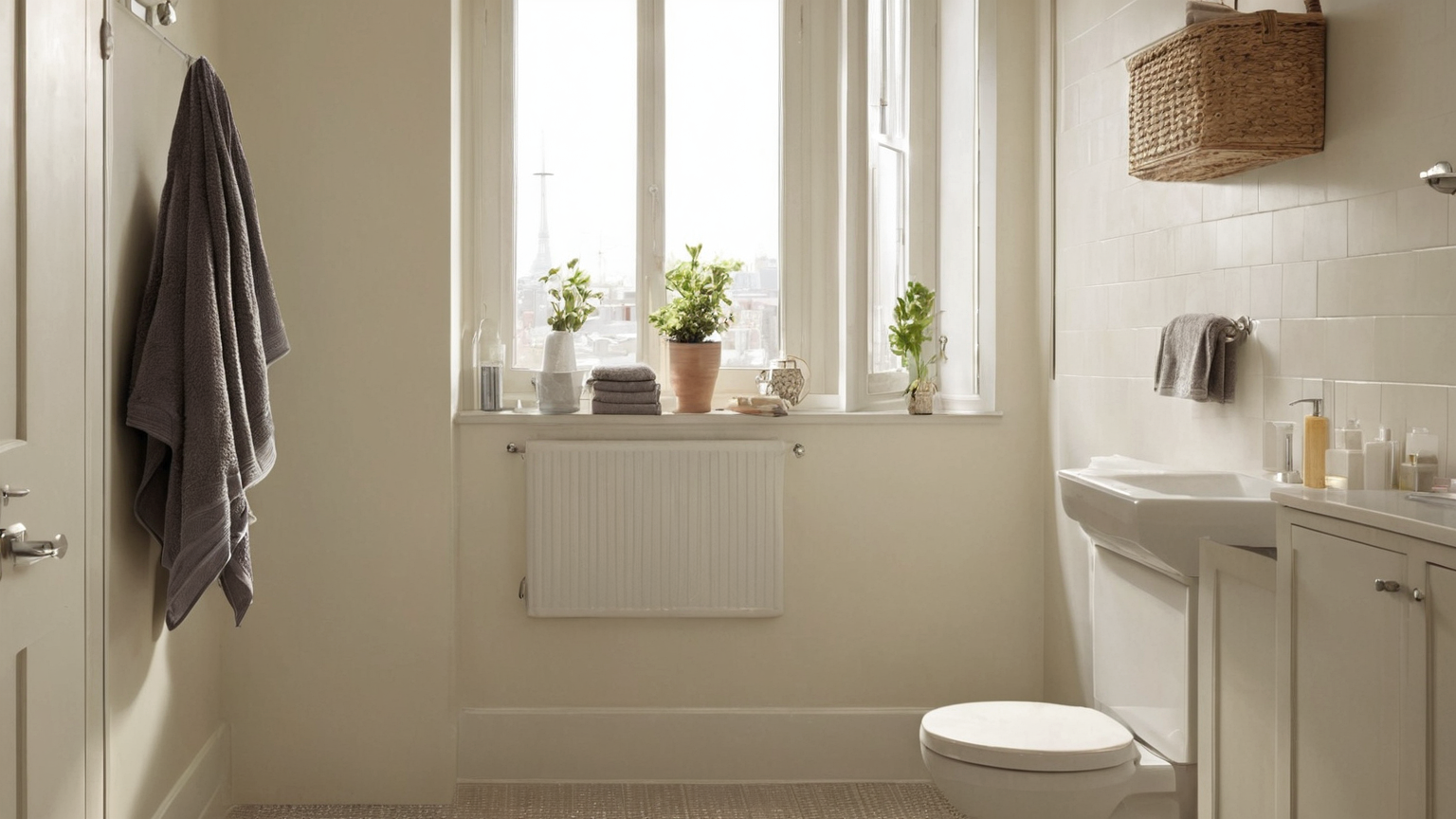
Towel drying decision table
| Constraint | Better layout | Avoid |
|---|---|---|
| Tiny wall space | Fewer hooks with more spacing | A crowded row of damp towels |
| Weak fan | Door-open drying period when appropriate | Closed-door damp storage |
| Rental walls | Over-door or tension options | Unapproved drilling |
| Shared bathroom | Named rotation routine | Everyone reusing the same wet hook |
| Hot weather | Smaller laundry loads | Piles waiting in humid corners |
Start by reducing towel count in the room
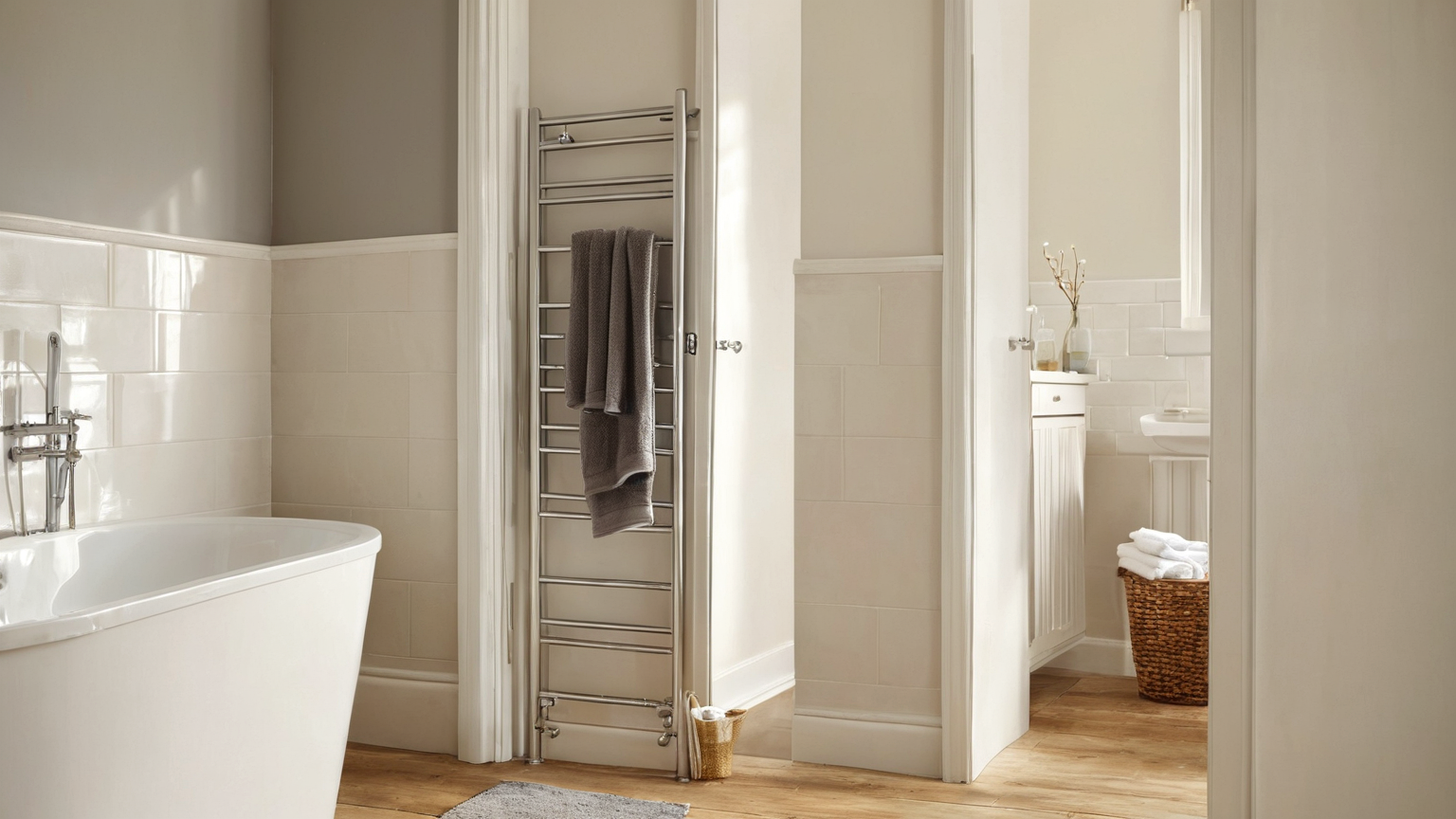
The fastest improvement is often subtraction. Keep only active towels in the bathroom and store clean extras outside the damp zone. If every hook carries two layers, airflow cannot reach the fabric. A calmer bathroom may need one fewer decorative towel and one more reliable laundry rhythm.
Use airflow as the design line
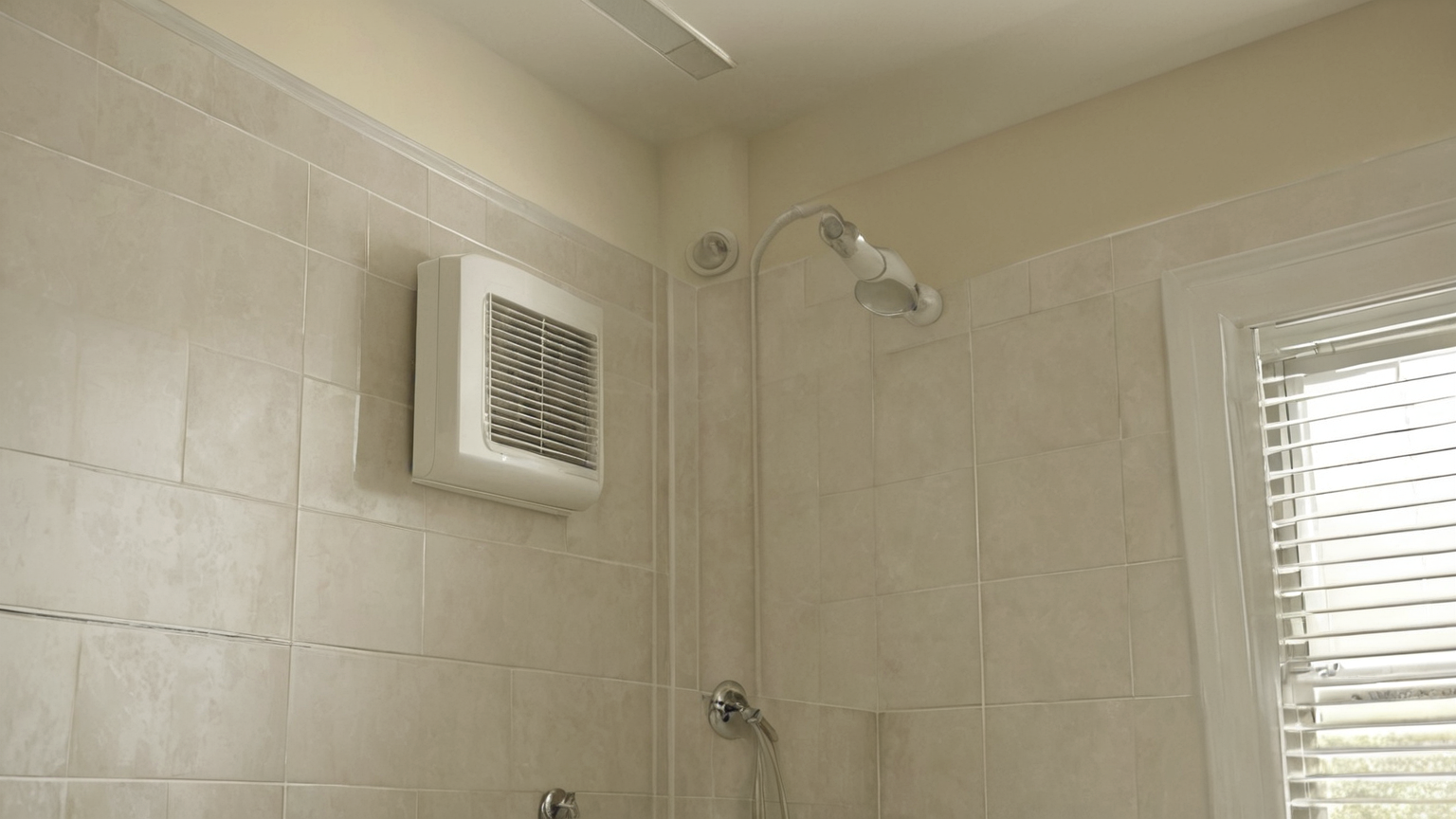
Place towels where air can move around them after showers. Do not press damp fabric against painted walls, closed cabinet doors, or stacked baskets. If the fan is weak, use a short door-open period when privacy and household conditions allow. The goal is not a spa photo; it is fabric that dries before odor begins.
Keep electrical safety boring
Avoid plug-in heaters, cords, or charging devices near wet towel zones. A bathroom drying plan should not rely on unsafe heat sources or extension cords. If ventilation is broken, document it for maintenance with dates and photos instead of compensating with risky devices.
Build a towel rotation rule
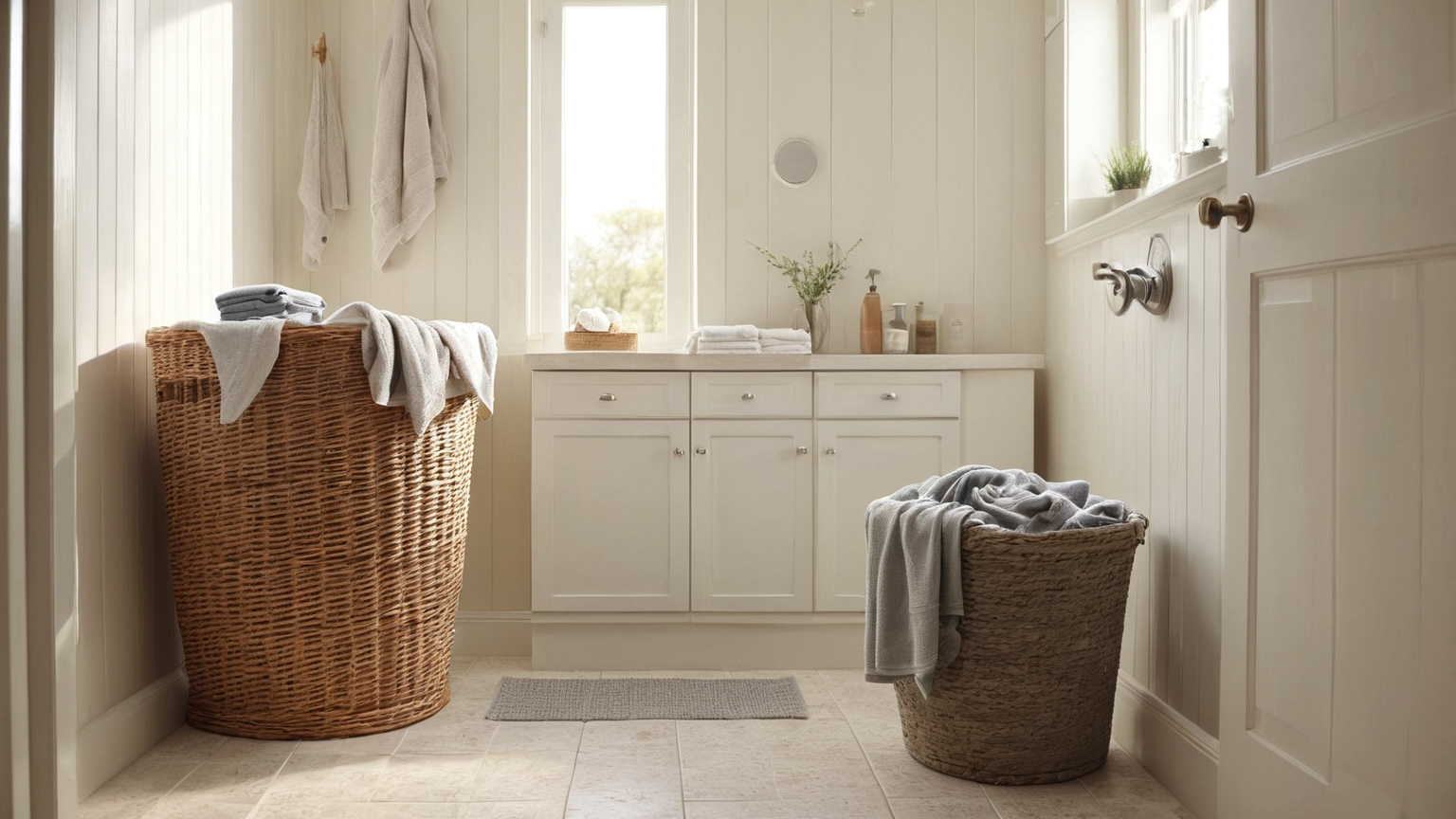
Shared homes need a simple rule: bath towels dry fully between uses, hand towels change on a predictable cadence, and gym or beach towels do not wait in the bathroom. A small hamper just outside the bathroom can prevent damp piles from becoming part of the room design.
Renter-safe hardware choices
Over-door hooks, tension rods, freestanding ladders outside splash zones, and removable solutions can work when they do not block doors, vents, or walking paths. Test weight and stability with dry towels first. If an adhesive hook fails with damp fabric, do not keep replacing it in the same spot; change the system.
Weekly reset checklist
Wipe splash-prone surfaces, wash hand towels, inspect grout and corners for persistent moisture, clear the fan grille if permitted, and remove unused products from the counter. If musty odor returns quickly after cleaning, treat it as a ventilation or laundry timing problem rather than a fragrance problem.
Design for calm, not display
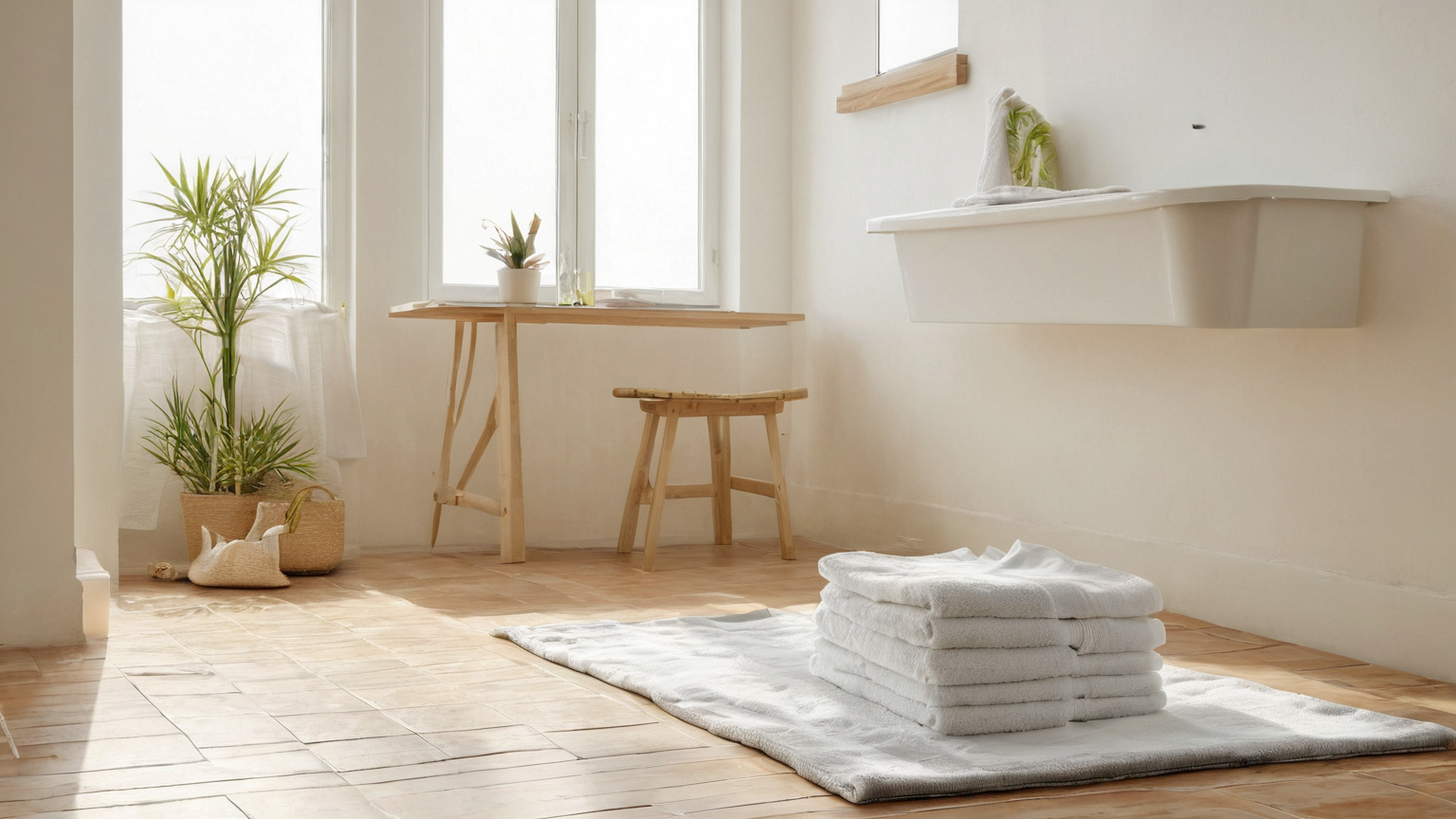
A towel zone should make the bathroom easier to use at 7 a.m. Choose one visible towel color family, keep spare stacks small, and let negative space do some work. Good small-space design often looks simple because the routine behind it is doing the heavy lifting.

Summary
A renter-friendly towel drying zone is spaced, ventilated, reversible, and easy to reset. It strengthens helpful-content quality by solving odor and clutter with practical layout decisions rather than pushing storage products first.