Window shades solve different problems depending on sun direction, lease limits, frame depth, glare, privacy, and room use. This guide starts with measurement and renter-safe installation choices so readers can avoid buying a heavy curtain, film, or blind that looks good online but blocks ventilation, traps moisture, violates the lease, or makes the desk unusable.
The recommendations stay practical and conservative. A shade can reduce direct sun and glare, but it is not a guaranteed cooling device and it should not hide heat, condensation, unsafe cords, or permission problems. Use this as a pre-purchase worksheet, then match the final choice to the specific window, climate, and rental agreement.
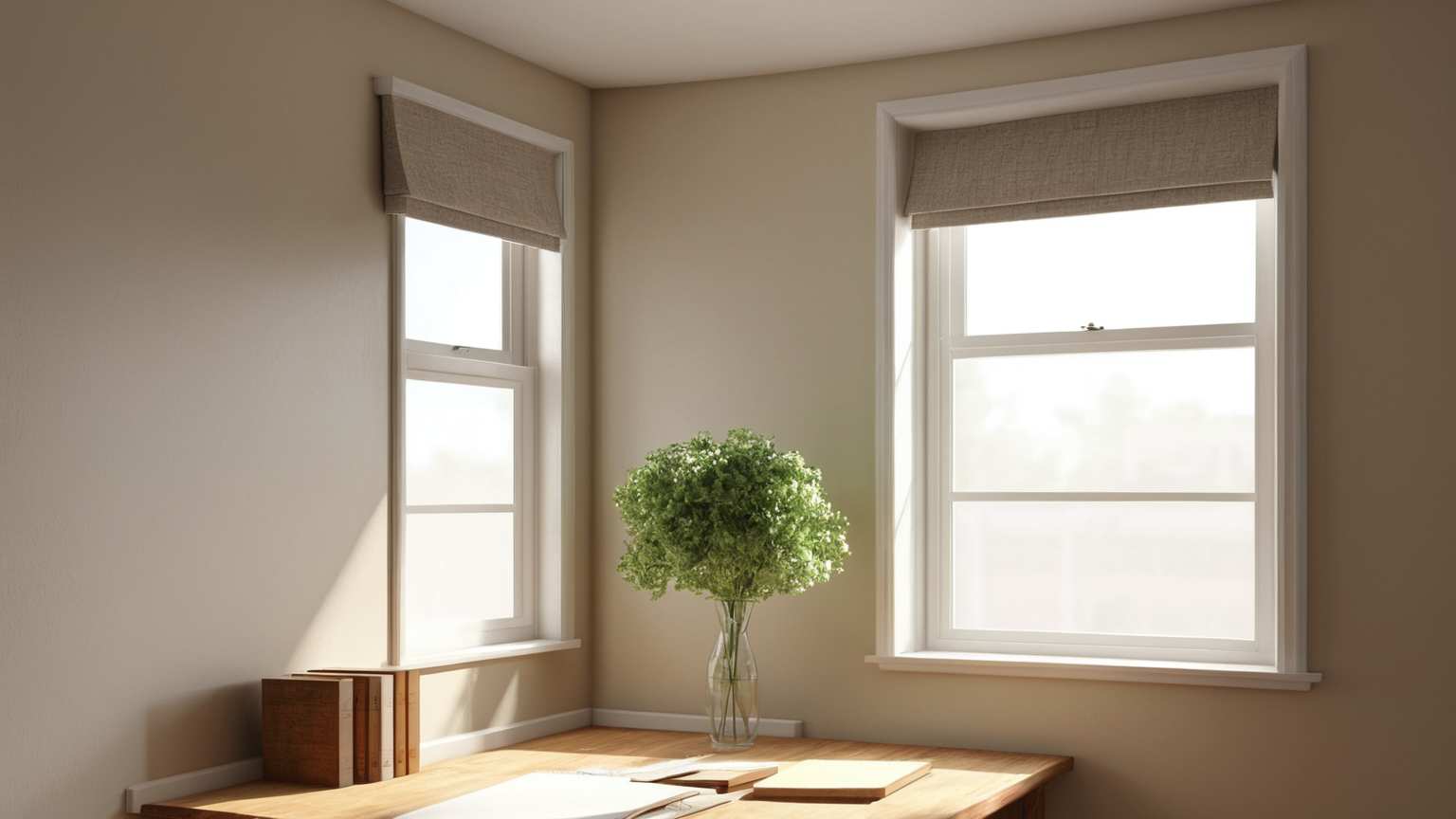
Measure the problem, not the product
A shade that looks beautiful in a listing can fail in a rental if it blocks a lock, traps condensation, uses forbidden screws, or makes the desk too dark. Spend ten minutes mapping the window before buying anything: sun direction, heat, glare, privacy, frame depth, trim material, existing hardware, and whether an air conditioner, crank, blind wand, or curtain rod already competes for space.
| Need | Better first move | What to avoid |
|---|---|---|
| Afternoon heat | Light-colored lining, exterior shade where allowed, or layered curtain | Heavy fabric pressed against damp glass |
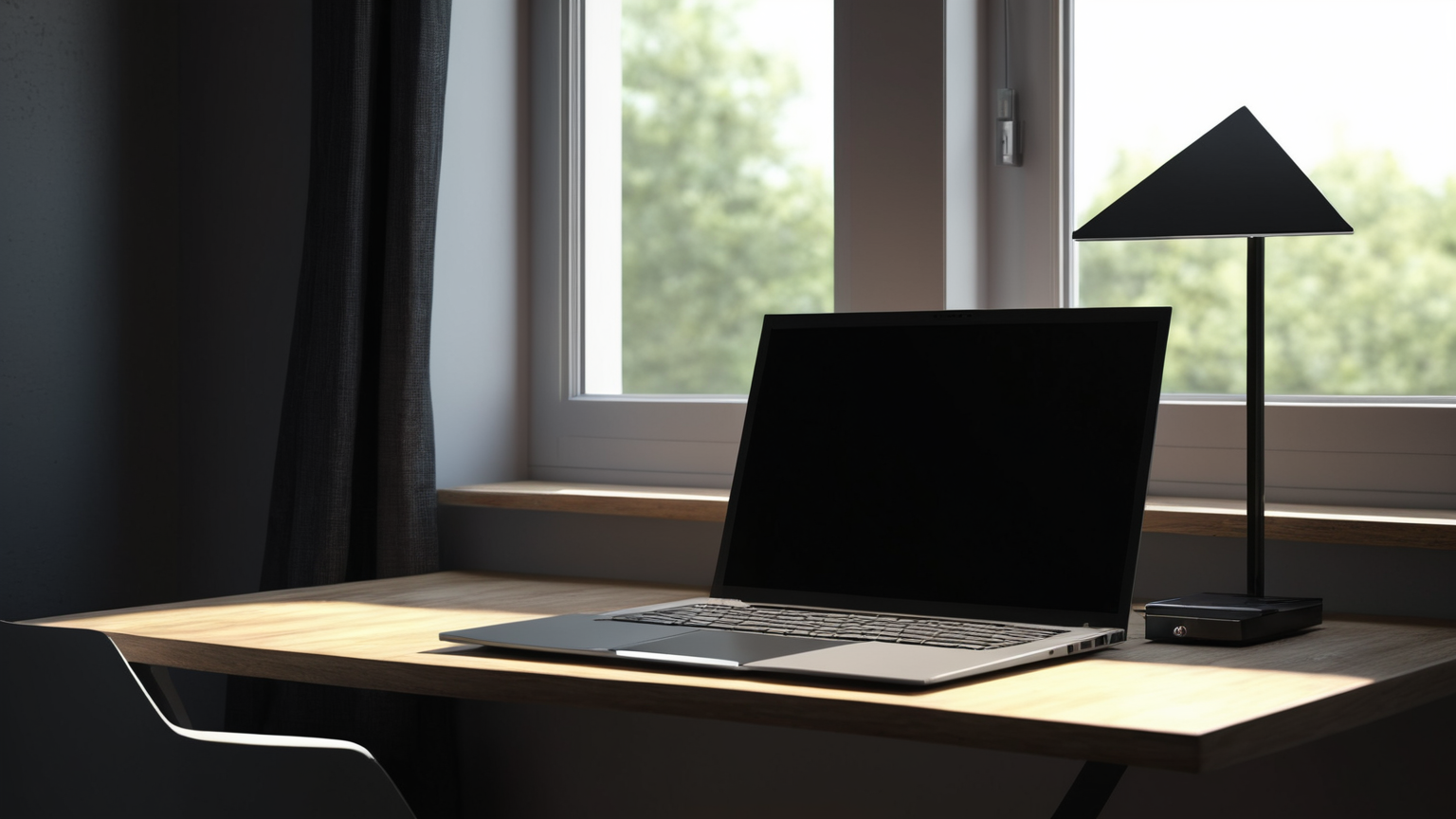
| Screen glare | Adjustable slats or shade height that cuts direct light | Making the whole room dark all day |
| Privacy | Bottom-up or layered fabric if compatible | Permanent film without lease permission |
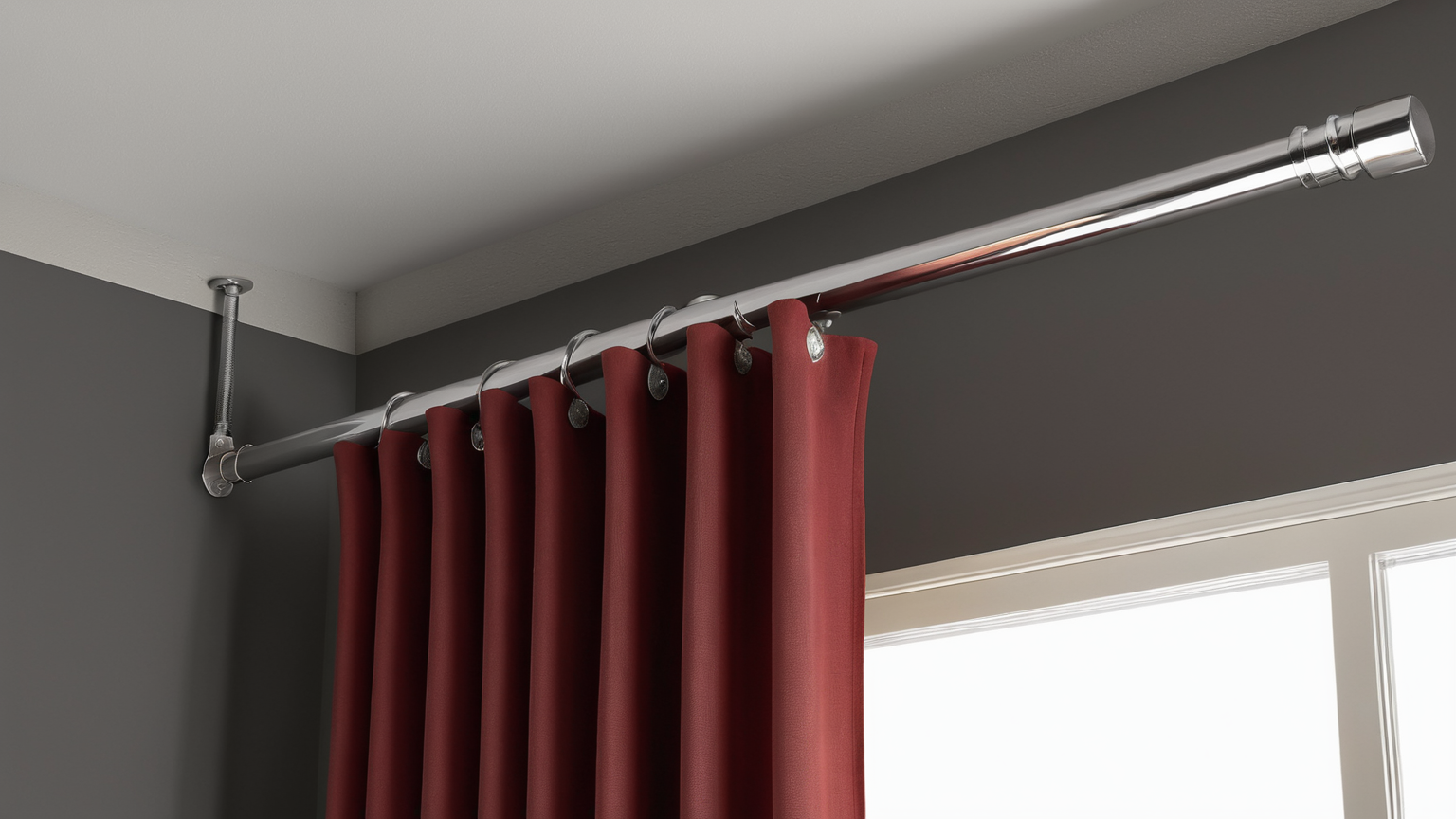
| Rental limits | Tension hardware, existing rod, removable anchors rated for the load | Drilling first and asking later |

The renter-safe measuring list
Measure glass width, trim-to-trim width, inside depth, the distance from the top of trim to ceiling, and any handle that protrudes. Take photos of the window closed, open, and half-open. If a shade will hang near a heater, air conditioner, damp sill, or cooking area, choose a safer location or lighter treatment. Keep cords controlled and away from children, pets, and walkways.
Pick the light behavior
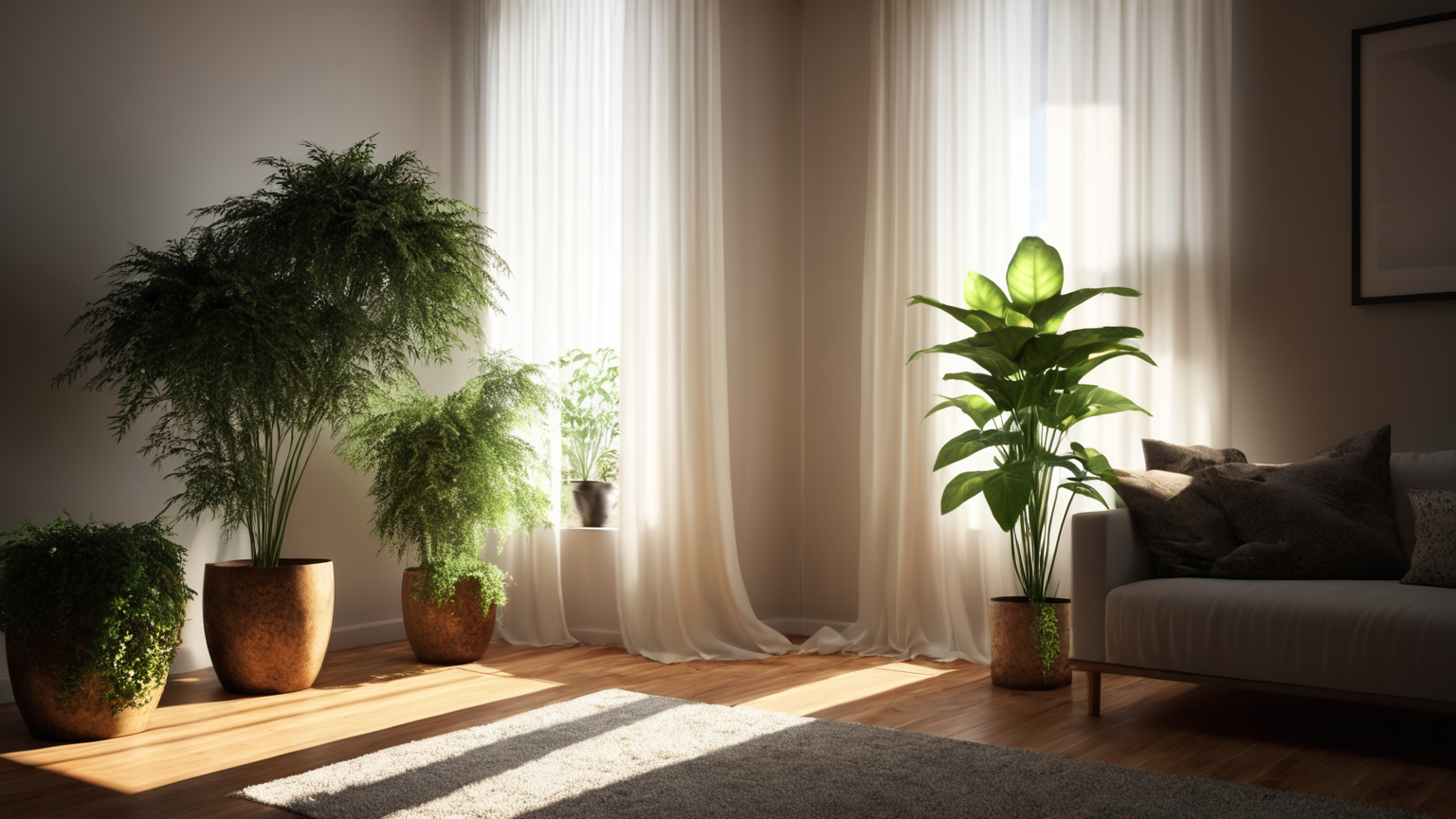
For a bedroom, darkness may matter more at night, but daytime ventilation and moisture still matter. For a work desk, adjustable glare control is usually better than full blackout. For a living room, a sheer plus a heavier panel can let the room stay useful across morning, afternoon, and evening. The right answer is not the thickest product; it is the layer that solves the actual light problem without creating a new safety or lease problem.
Installation decision tree
- If the lease allows existing rods, use the current rod and keep weight modest.
- If there is enough inside depth, test a tension shade or pressure rod.
- If the frame is shallow, use a lightweight outside-mount curtain on approved hardware.
- If heat is severe, ask about exterior or building-approved shading instead of hiding all the heat inside.
- If condensation appears, pull fabric away from glass and improve ventilation before adding more layers.
AdSense-readiness note
The guide keeps product discussion practical, avoids unsupported savings promises, and uses official energy, tenant, heat, and indoor-air references. It strengthens helpful-content quality by focusing on measurement and renter safety before purchase.