Balcony Plant Shelf Setup: Wind Safety, Drainage, and Rental-Friendly Layouts
A balcony plant shelf can make a small apartment feel calmer, but it can also create avoidable problems: tipped pots, blocked exits, water stains, overloaded rails, pests, and arguments with building management. This June 2026 guide treats the shelf as a tiny outdoor system. It covers wind, weight, drainage, rail clearance, plant spacing, and renter-friendly choices before style. The result should look intentional without depending on risky drilling, heavy rail attachments, or hidden water damage.
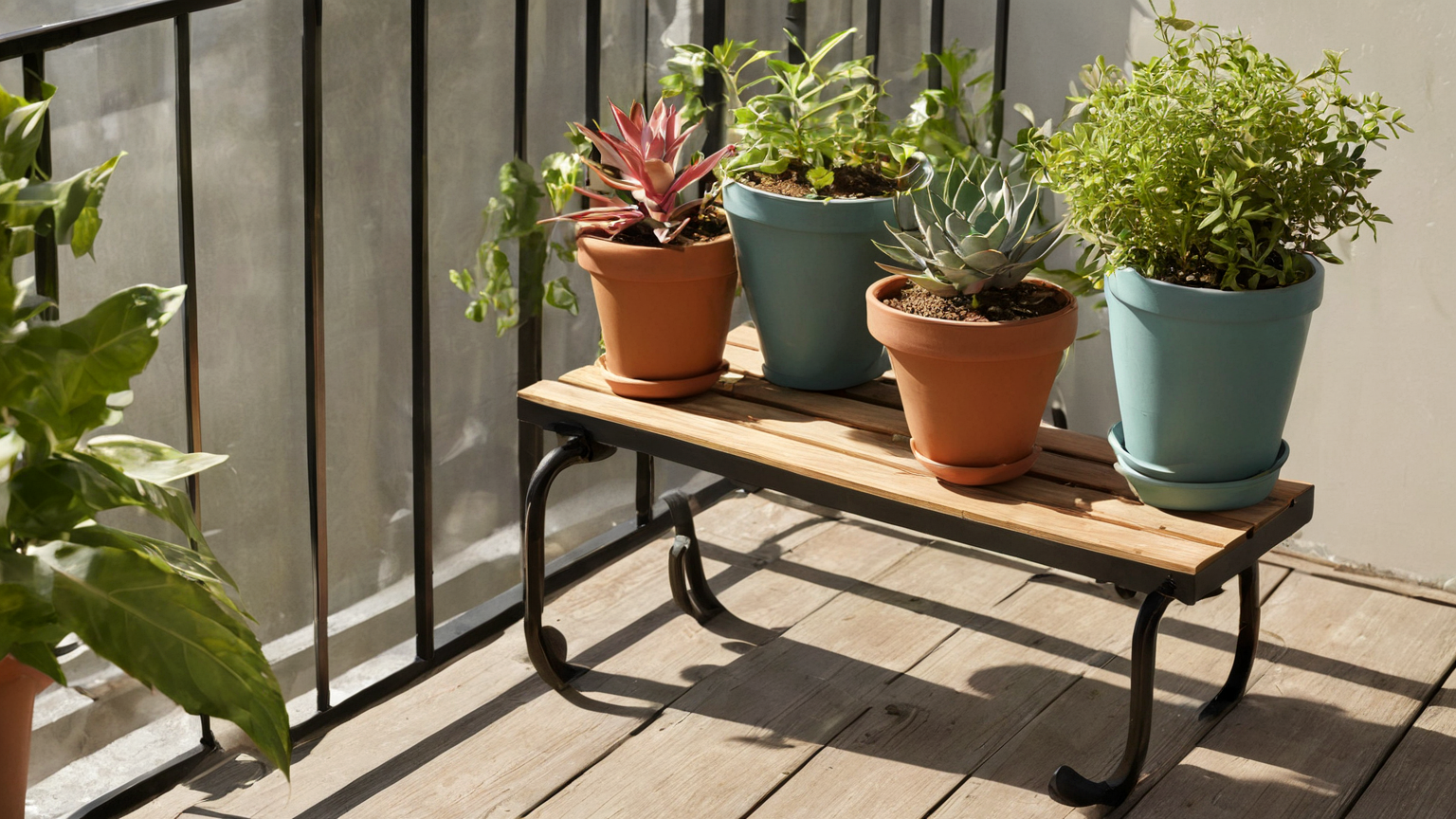
Balcony shelf decision table
| Constraint | Safer choice | Risky choice | Quick test |
|---|---|---|---|
| Wind | Low shelf against interior wall | Tall narrow tower by railing | Shake lightly with empty pots first |
| Drainage | Saucers that you empty | Water running to neighbor below | Water one pot and watch the path |
| Weight | Heavy pots low, lightweight herbs high | Big ceramic pots on top shelf | Can you move it alone? |
| Lease limits | Freestanding, removable pads | Drilling, rail clamps, exterior hanging | Check lease and building rules |
| Daily use | Clear walking path | Shelf blocking door swing | Carry laundry through once |
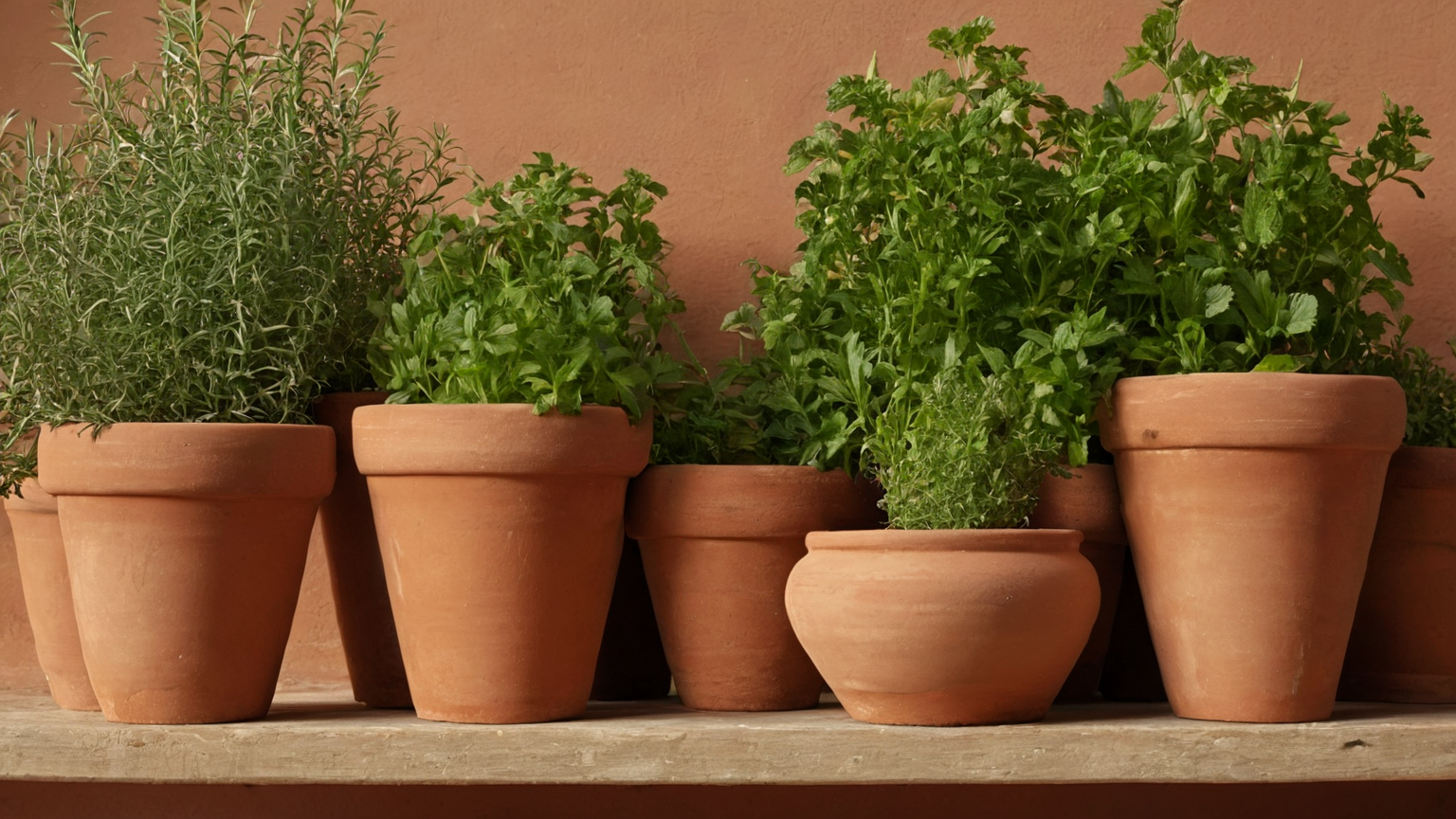
Start with the building boundary
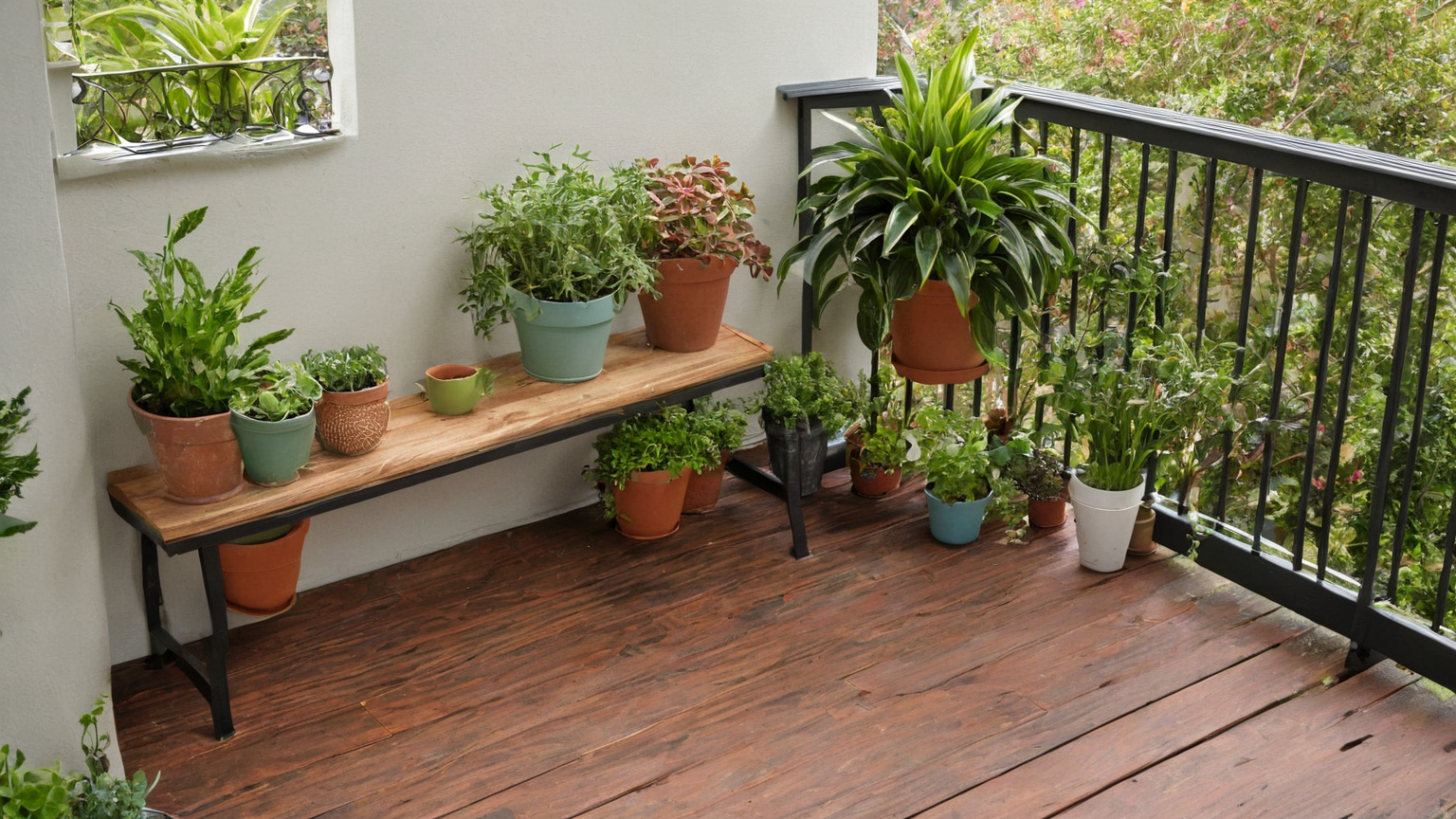
Before buying a shelf, find the limits of the balcony itself. Many leases restrict drilling, rail attachments, exterior-hanging objects, or anything visible beyond the rail. Even when rules are vague, avoid placing mass on a railing or outside the balcony line. A shelf should sit fully inside the usable floor area, preferably against the apartment wall where wind pressure is lower and fallen objects remain on your side.
Keep the center of gravity low
The prettiest shelf in a photo may be the wrong shelf for wind. Put heavier planters on the bottom tier, medium pots in the middle, and light herbs or small nursery pots above. Avoid top-heavy ceramic clusters. If you cannot comfortably move the loaded shelf for cleaning, storms, or lease inspections, it is probably too heavy or too complicated for a renter balcony.
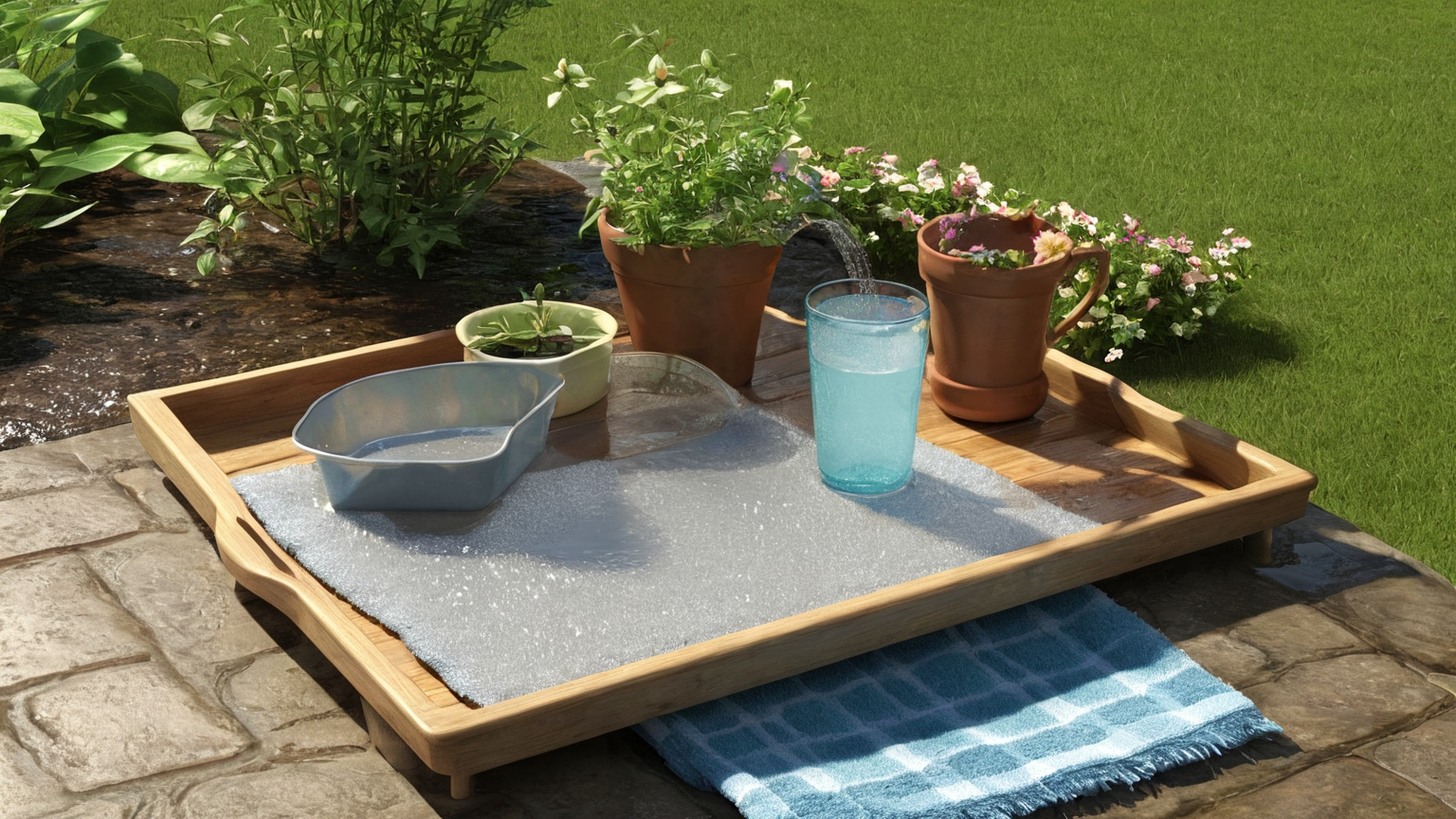
Drainage is the design detail people notice too late
Plants need water; apartments need boundaries. Use saucers, trays, or removable liners that are easy to empty. Lift pots slightly so moisture does not stay trapped against wood, tile, or concrete. Do not let water run through rails onto neighbors, sidewalks, or building surfaces. If you use self-watering containers, check overflow behavior during the first heavy watering instead of assuming the reservoir is sealed.
Wind routine for storm days
Create a simple rule: when severe weather, high wind, or travel is expected, move light pots inward, lower hanging-style accessories, and remove loose decorations. Soft ties can help stabilize stems, but ties are not a substitute for shelf stability. If a shelf wobbles empty, do not trust it loaded. If the balcony is exposed, choose fewer, heavier, lower containers rather than a tall garden wall.
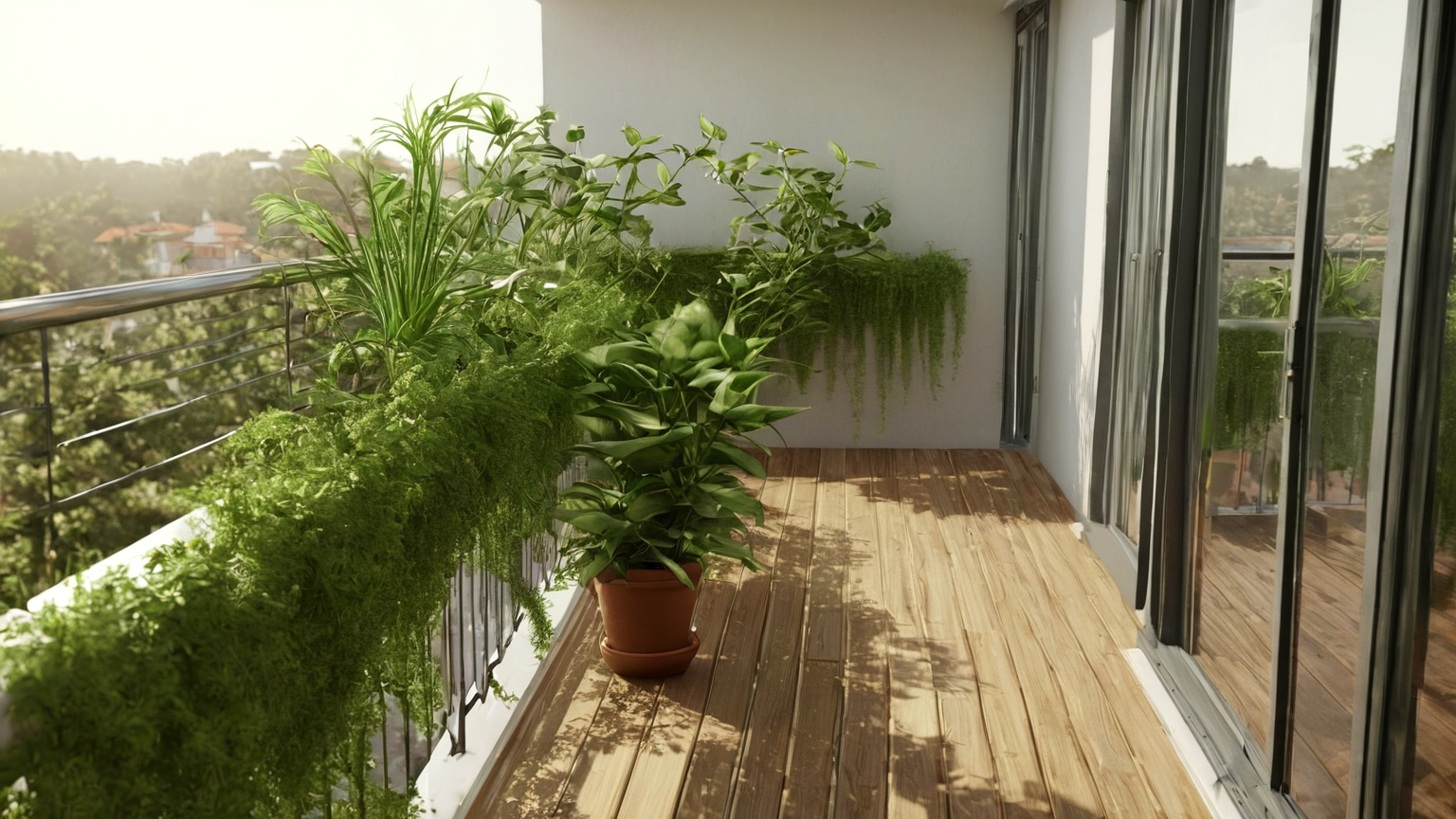
Leave the balcony usable
A balcony is still an exit-adjacent outdoor space, not just a plant display. Keep the door swing clear. Maintain a path for carrying laundry, watering, and cleaning. Do not route extension cords through wet plant areas. If lights are used, choose outdoor-rated equipment and keep connections dry and accessible. Visual calm comes from fewer decisions, not from filling every inch.
Maintenance checklist
- Empty saucers after watering or rain.
- Rotate pots so one side does not lean toward the rail.
- Check shelf feet and pads monthly.
- Remove dead leaves before they clog drains.
- Move pest-prone or moldy soil away from the door.
- Take one photo before travel so a helper can restore the layout.
- Keep a small cleanup kit inside, not outside where it can blow away.
Summary
The best balcony plant shelf is lower, simpler, easier to drain, and easier to move than the inspiration photo suggests. It respects building rules, neighbors, weather, and everyday use. That strengthens AdSense readiness because the article is practical, safety-aware, non-thin, and not a disguised shopping list.